Tokyo in 48 hours
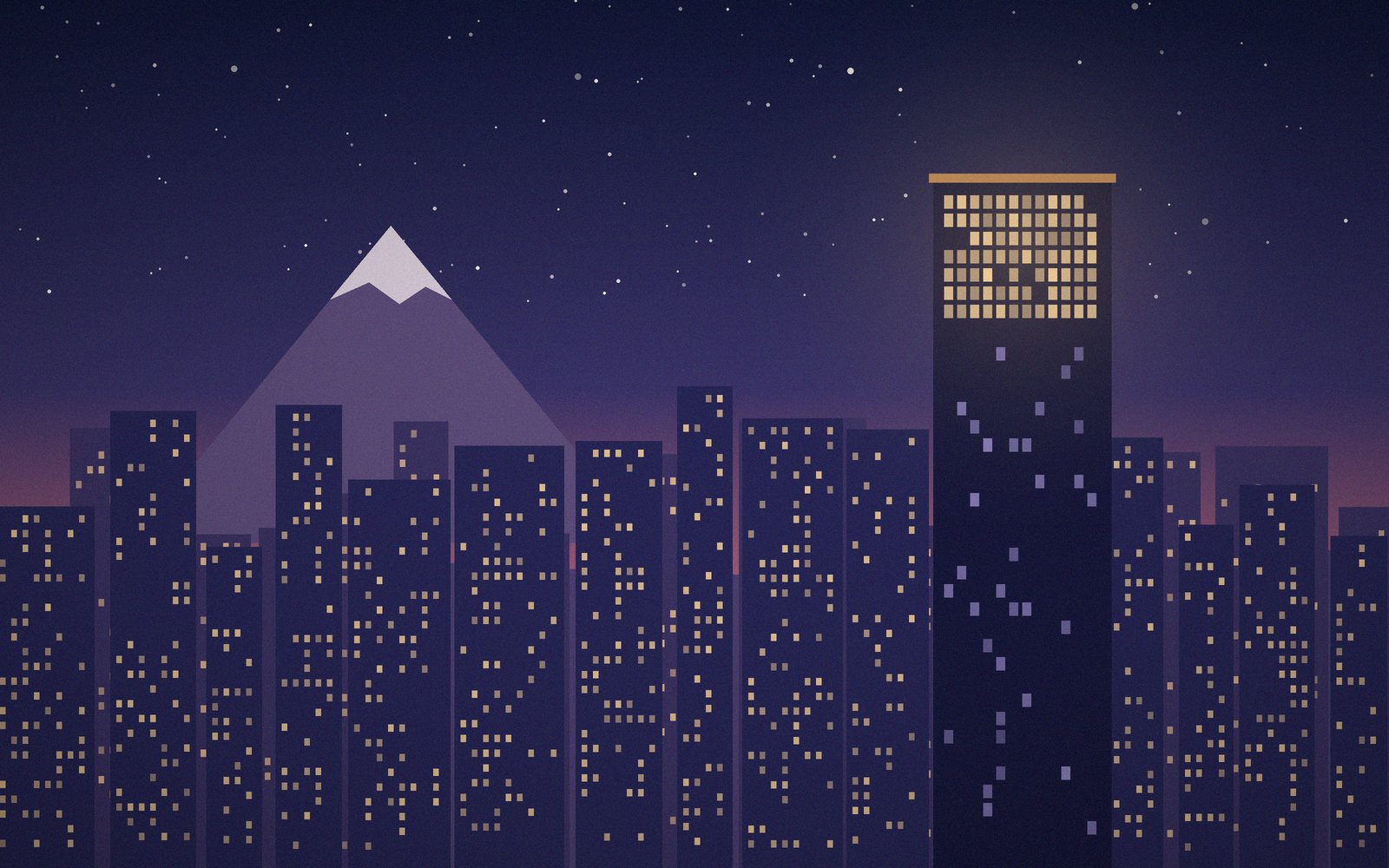
Tokyo is vast but remarkably easy: spotless, safe, efficient and full of quiet corners. Each neighbourhood feels like its own city, from the old temples of Asakusa to the neon of Shinjuku and the calm of the Imperial Palace gardens.
Best time to visit. Late March to May and October to November. Summer is hot and humid; winter is cold, dry and clear.
Where to base yourself
- Marunouchi and Otemachi. Business district beside the Imperial Palace, with direct rail links.
- Ginza. Department stores, galleries and some of the city's best restaurants.
- Asakusa. Senso-ji temple and old Tokyo streets.
- Shibuya and Harajuku. The famous crossing, youth fashion and Meiji Jingu shrine.
- Shinjuku. Skyscrapers, the Gyoen garden, and tiny bars in Golden Gai.
Two perfect days
Day one · Old and imperial Tokyo
- Morning
- Imperial Palace East Gardens
- Afternoon
- Senso-ji and Asakusa
- Evening
- Dinner at a sushi counter in Ginza
Day two · Modern Tokyo
- Morning
- Meiji Jingu and Harajuku
- Afternoon
- Shibuya Crossing and a view from above
- Evening
- Evening in Shinjuku
Getting around
Load a Suica or Pasmo transit card on your phone for trains, metro and buses. Trains are punctual and signposted in English. Taxis are clean and safe but expensive.
Local tips
- Tipping isn't practised
- Keep quiet on trains and don't take calls
- Carry some cash for smaller restaurants
- Public bins are rare; carry your rubbish